

If you crave a filling meal that packs a protein punch, my Hearty High-Protein Loaded Veggie Omelet is a must-try! This easy recipe combines fresh veggies and simple ingredients, making it a healthy choice for breakfast or lunch. I’ll share step-by-step instructions and tips to ensure your omelet turns out perfect every time. Get ready for a delicious and nutritious start to your day! Let’s dive in!
Why I Love This Recipe
- Nutritious and Filling: This omelet is packed with protein and fiber, thanks to the eggs, quinoa, and veggies, making it a satisfying meal that keeps you full longer.
- Versatile Ingredients: You can easily customize this recipe with your favorite vegetables and proteins, ensuring that it suits your taste preferences and dietary needs.
- Quick and Easy: With a prep time of just 10 minutes, this recipe is perfect for a nutritious breakfast or brunch, even on busy mornings.
- Beautiful Presentation: Not only does it taste great, but the vibrant colors of the vegetables make this omelet a feast for the eyes, perfect for impressing guests.
Ingredients
Essential Ingredients for the Omelet
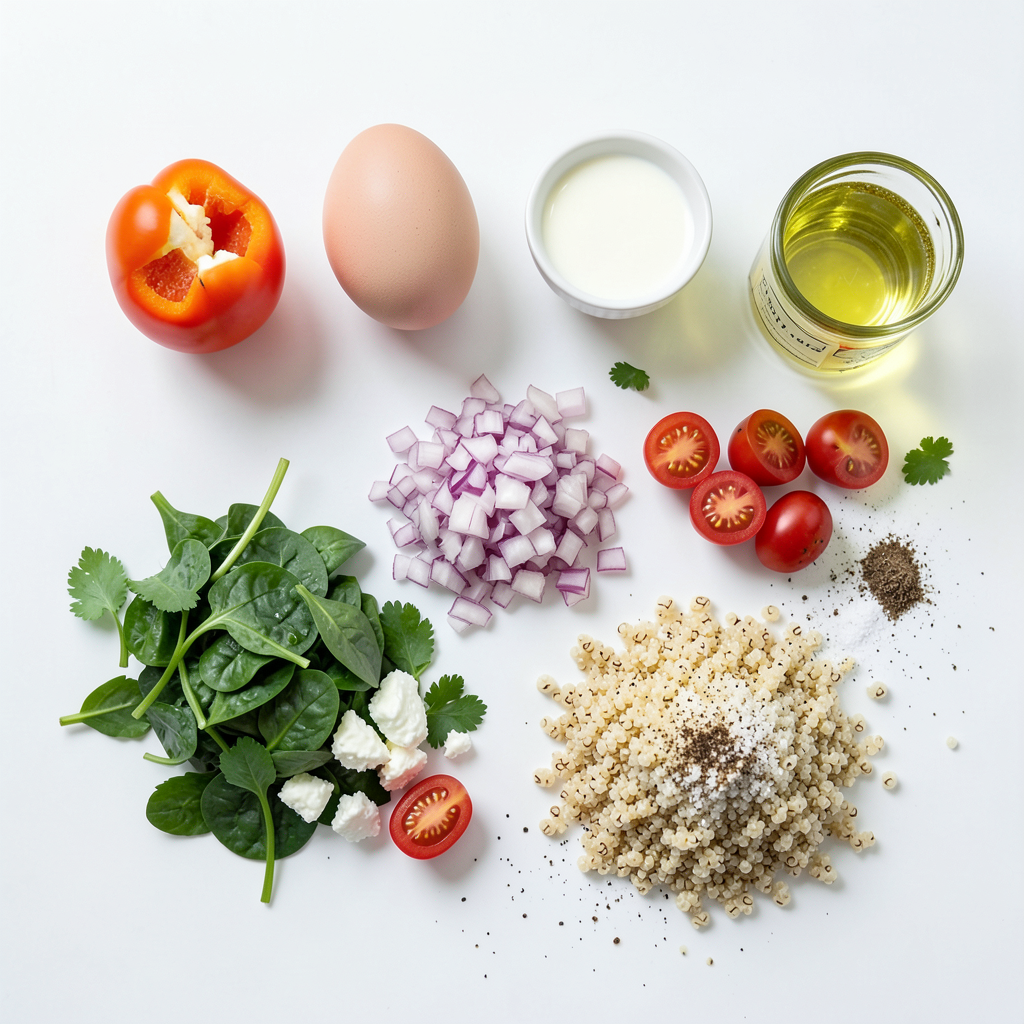
To make a hearty high-protein loaded veggie omelet, gather these key ingredients:
- 4 large eggs
- 2 tablespoons milk (dairy or non-dairy)
- 1/2 cup bell peppers, diced (any color)
- 1/4 cup red onion, finely chopped
- 1/2 cup spinach, chopped
- 1/4 cup cherry tomatoes, halved
- Salt and pepper to taste
- 1 tablespoon olive oil or butter
Optional Ingredients for Extra Flavor
You can add more flavor with these optional ingredients:
- 1/4 cup feta cheese, crumbled (adds creaminess)
- Fresh herbs, like parsley or chives, for garnish
Ingredients for Added Protein
To boost protein in your omelet, consider using:
- 1/4 cup cooked quinoa (a complete protein)
- 1/4 cup black beans (great for fiber and protein)
Using these ingredients, you can create a tasty, nutritious omelet. The mix of veggies and protein makes this dish filling and satisfying. Don't hesitate to adjust the ingredients to suit your taste!
Step-by-Step Instructions
Preparation of Egg Mixture
First, grab a mixing bowl. Crack four large eggs into the bowl. Add two tablespoons of milk. You can use dairy or non-dairy, depending on your choice. Whisk the eggs and milk together until they blend well. Season this mixture with salt and pepper. This adds flavor to your omelet.
Cooking the Vegetables
Next, heat one tablespoon of olive oil or butter in a non-stick skillet. Set the heat to medium. Add a quarter cup of finely chopped red onion and half a cup of diced bell peppers into the skillet. Cook them for about three to four minutes. You want them to soften but not brown. Now, stir in half a cup of chopped spinach and a quarter cup of halved cherry tomatoes. Cook this mixture for another two minutes. The spinach should wilt nicely.
Assembling and Cooking the Omelet
Now, it’s time to add the egg mixture. Pour it over the vegetables in the skillet. Make sure the eggs cover all the veggies. Let it cook for about three to four minutes without stirring. This helps the edges to set. Once the edges look firm, sprinkle a quarter cup of cooked quinoa or black beans on one half. If you want, add a quarter cup of crumbled feta cheese on top. When the top is still slightly runny, carefully fold the omelet in half over the filling. Cook it for another one to two minutes. This helps ensure it cooks through but stays moist inside. Finally, slide the omelet onto a plate. You can garnish it with fresh herbs for a nice touch. Enjoy your hearty high-protein loaded veggie omelet!
Tips & Tricks
Achieving the Perfect Omelet Texture
To get a fluffy and soft omelet, start with fresh eggs. Beat the eggs gently with milk until they froth. This adds air, which helps the omelet rise. Use a non-stick skillet for easy flipping. Cook on medium heat. This helps the omelet cook evenly. Don’t rush it! Let it sit without stirring. Check for a slightly runny top before folding.
Storage and Reheating Suggestions
If you have leftovers, store your omelet in an airtight container. It keeps well in the fridge for up to three days. When reheating, use low heat on the stovetop. This helps retain moisture and prevents drying out. You can also use a microwave. Cover it with a damp paper towel. Heat for 30 seconds, check, and repeat if needed.
Ideas for Garnishing Your Omelet
Garnishing adds fun and flavor. Fresh herbs like parsley or chives brighten your dish. You can also add sliced avocado for creaminess. A sprinkle of red pepper flakes gives a nice kick. Serve with a side of mixed greens for color and crunch. This makes your plate look more appealing and nutritious.
Pro Tips
- Choose Fresh Vegetables: Use seasonal vegetables for the best flavor and nutritional value. Fresh produce enhances the overall taste of your omelet.
- Whisk Eggs Thoroughly: Ensure the eggs are well beaten with the milk to create a fluffy texture. This helps incorporate air, making your omelet lighter.
- Control the Heat: Cooking on medium heat allows the omelet to cook evenly without burning. High heat can lead to a tough texture.
- Experiment with Fillings: Feel free to swap out or add different protein sources or veggies based on your preferences. This keeps your omelet exciting and versatile!
Variations
Different Protein Options
You can add many types of protein to your omelet. Try cooked chicken or turkey for a lean option. Salmon or shrimp can bring a nice twist. For a plant-based choice, use tofu or tempeh. If you want more beans, add chickpeas or lentils. Each option boosts flavor and nutrition.
Vegetarian Alternatives
If you prefer a vegetarian omelet, there are plenty of great choices. Instead of meat, load up with more veggies. Mushrooms, zucchini, or asparagus can add depth. You can also use different cheeses like cheddar or goat cheese. These options keep it tasty and filling without meat.
Ingredient Swaps for Dietary Needs
You can easily adapt the recipe to fit your needs. For dairy-free diets, swap milk with almond or oat milk. Use nutritional yeast in place of cheese for a cheesy flavor. If you want a lower-carb option, skip the quinoa or beans. Instead, add more veggies like kale or arugula. These swaps help everyone enjoy the dish.
Nutritional Information
Breakdown of Nutrients Per Serving
This hearty loaded veggie omelet packs a punch of flavor and nutrition. Each serving contains:
- Calories: 300
- Protein: 24 grams
- Fat: 20 grams
- Carbohydrates: 10 grams
- Fiber: 3 grams
The eggs add protein, while veggies boost vitamins and minerals. Quinoa or black beans provide extra protein and fiber.
Health Benefits of Ingredients
The ingredients in this omelet are not just tasty; they are also good for you. Here’s how:
- Eggs: Great source of protein and healthy fats. They help build muscles.
- Bell Peppers: Rich in vitamins A and C. They support your immune system.
- Spinach: Full of iron and antioxidants. It helps keep your blood healthy.
- Feta Cheese: Adds calcium for strong bones. It also gives a nice flavor.
- Olive Oil: Contains healthy fats that are good for your heart.
Using fresh herbs adds flavor and nutrients. Parsley and chives can aid digestion and boost health.
Caloric Information and Serving Suggestions
Each omelet serves two people, making it a perfect breakfast for sharing. You can enjoy it with a side salad or whole-grain toast. This adds fiber and keeps you full longer. Pair it with fresh fruit for a sweet touch and extra vitamins.
For a lighter option, consider using fewer eggs or adding more veggies. This keeps the calories lower while still being filling.
FAQs
How can I make my omelet fluffier?
To make your omelet fluffier, beat the eggs well. Add some milk for moisture. This helps create air pockets as they cook. You can also try cooking on low heat. Low heat allows the eggs to rise slowly and stay soft.
After cooking, let the omelet sit for a minute before serving. This extra time helps it set and stay fluffy. You can also fold in some whipped egg whites for a lighter texture.
Can I use egg substitutes for this recipe?
Yes, you can use egg substitutes. Common options include tofu or chickpea flour. These work well for a similar texture. Look for egg replacers in stores too.
For a no-egg option, mix 1/4 cup of silken tofu with 1 tablespoon of nutritional yeast. Blend until smooth and use it in place of eggs. This gives you protein and keeps it tasty.
What are some good sides to serve with an omelet?
Great sides for an omelet include fresh fruit, toast, or a simple salad. You might also enjoy avocado slices or hash browns. These sides add variety and balance to your meal.
Consider serving your omelet with whole-grain toast for added fiber. A side of mixed greens brightens your plate and adds crunch. Enjoy your hearty meal!
You learned about making a delicious omelet. We explored essential and optional ingredients. You now know how to prepare the egg mixture and cook the veggies. Tips help you achieve perfect texture, and variations allow for creativity. Remember to consider the nutritional info for health benefits. Enjoy your omelet skills and feel proud of your tasty meals!