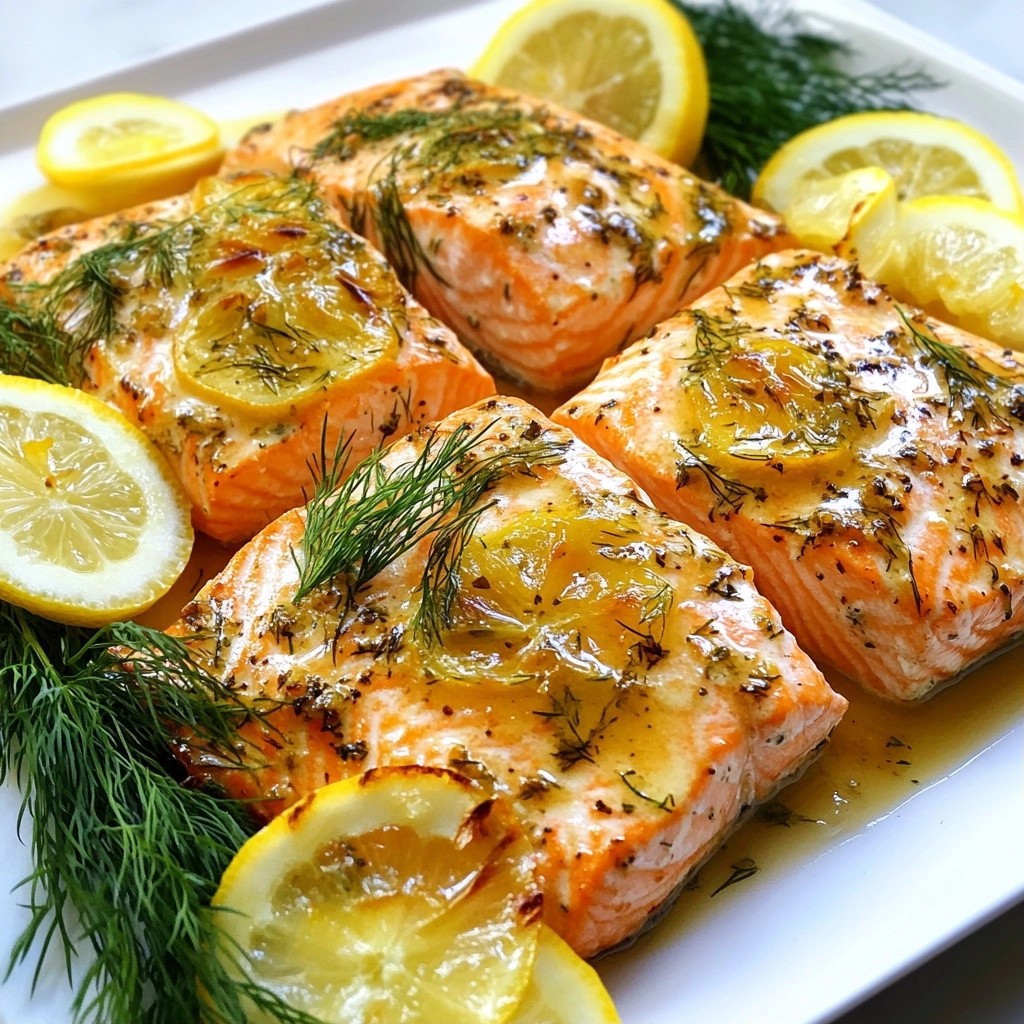
Looking for a tasty, high-protein meal that’s easy to make? This Zesty High-Protein Lemon Dill Salmon Fillets Recipe is perfect for you! Packed with flavor and nutrients, it brings excitement to your dinner table. Whether you’re a busy parent or a health nut, this dish fits your needs. I’ll guide you through simple steps, tasty tips, and helpful tricks to make sure your salmon shines. Let’s get started!
Why I Love This Recipe
- High in Protein: This recipe features salmon, which is an excellent source of high-quality protein, making it perfect for muscle building and recovery.
- Zesty Flavor: The combination of lemon and dill creates a bright and refreshing flavor profile that elevates the taste of the salmon.
- Quick and Easy: With a total preparation and cooking time of just 25 minutes, this dish is perfect for busy weeknights.
- Healthy Fats: Salmon is rich in omega-3 fatty acids, which are beneficial for heart health and overall wellness.
Ingredients
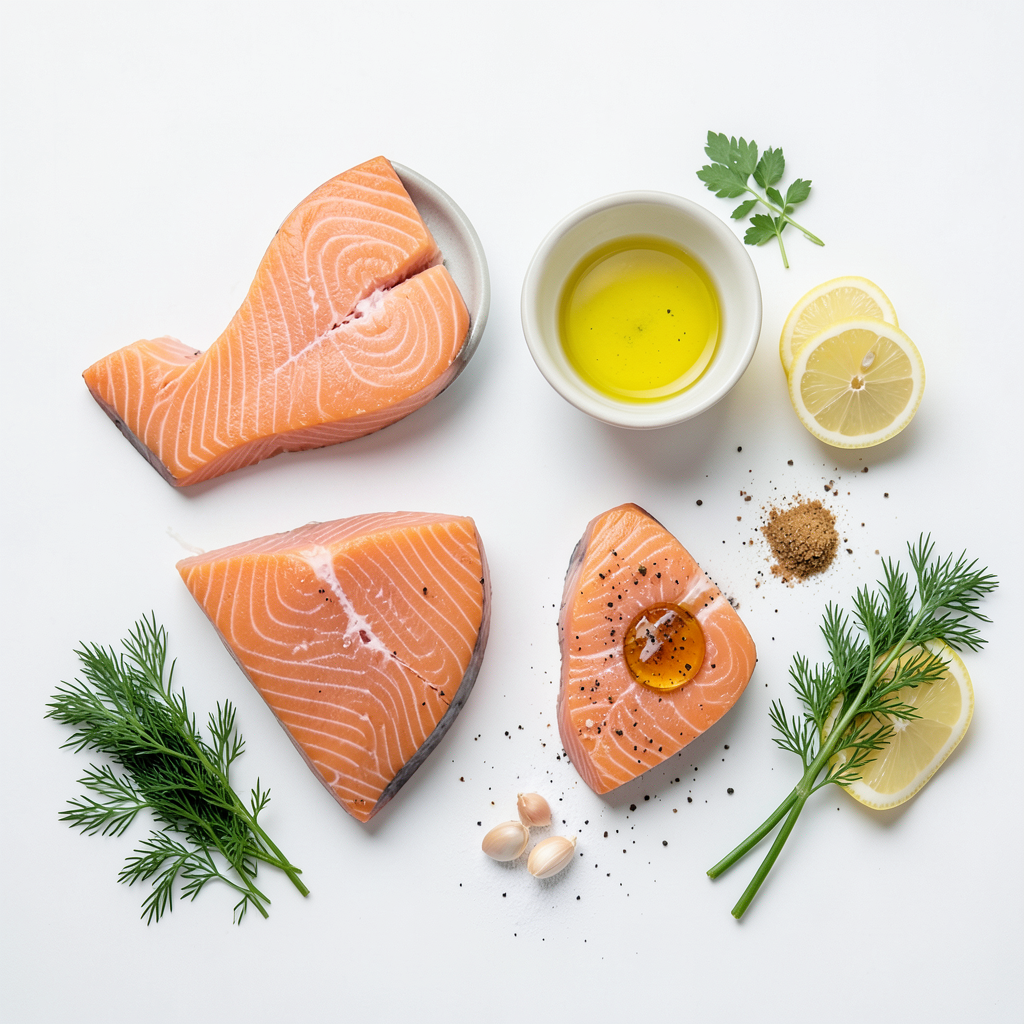
List of Ingredients
- 4 salmon fillets (about 6 oz each)
- 2 tablespoons olive oil
- Juice and zest of 2 lemons
- 2 tablespoons fresh dill, chopped (or 1 tablespoon dried dill)
- 3 cloves garlic, minced
- 1 teaspoon honey
- Salt and pepper to taste
- Lemon slices (for garnish)
- Fresh dill sprigs (for garnish)
Nutritional Breakdown
This dish is rich in protein and healthy fats. Each serving offers about 30 grams of protein. Salmon is also high in omega-3 fatty acids, which are great for heart health. The lemon adds vitamin C, while dill provides antioxidants. Overall, this meal supports a balanced diet.
Substitutions for Ingredients
You can use other fish like trout or cod if you want. For a vegan option, try tofu. Instead of olive oil, avocado oil works too. If you lack fresh dill, dried dill still gives great flavor. Honey can be swapped with maple syrup for a vegan alternative.
Step-by-Step Instructions
Preparation Steps
1. Preheat your oven to 400°F (200°C). This sets the stage for perfect cooking.
2. Line a baking sheet with parchment paper. This makes cleanup easy and quick.
3. In a small bowl, combine 2 tablespoons of olive oil, juice and zest of 2 lemons, 2 tablespoons of chopped dill, 3 minced cloves of garlic, 1 teaspoon of honey, and salt and pepper. Whisk until smooth and mixed well.
Cooking Process
1. Place the 4 salmon fillets, skin-side down, on the prepared baking sheet.
2. Brush the lemon dill mixture generously over each salmon piece. Make sure to coat them well. Reserve a bit of the mixture for later.
3. Bake the salmon in the oven for 12 to 15 minutes. Watch closely; cooking time varies by thickness.
4. Check for doneness by inserting a fork. The fish should flake easily.
5. Once cooked, take the salmon out and let it rest for a few minutes.
6. Drizzle the reserved lemon dill mixture over the fillets before serving.
7. For a final touch, add lemon slices and fresh dill sprigs on top.
Tips for Checking Doneness
- Use a fork to gently poke the thickest part of the salmon. If it flakes easily, it’s done.
- The internal temperature should reach 145°F (63°C) for safe eating.
- If the fish looks opaque and pulls apart easily, it’s ready to enjoy!
Tips & Tricks
How to Enhance Flavor
To boost the flavor of your lemon dill salmon, consider these tips:
- Use fresh ingredients. Fresh dill and juicy lemons make a big difference.
- Add a pinch of red pepper flakes for heat.
- Try marinating the salmon for 30 minutes before cooking. This adds depth to the taste.
- Drizzle a little balsamic glaze after baking for a sweet twist.
Best Cooking Equipment to Use
You don't need fancy tools to make this dish. Here are the best items to use:
- A baking sheet lined with parchment paper for easy cleanup.
- A small bowl for mixing the marinade.
- A whisk to blend the ingredients smoothly.
- A meat thermometer to check the salmon's doneness. It should reach 145°F (63°C).
Serving Suggestions
Serve your salmon in style with these ideas:
- Plate the salmon with lemon slices and fresh dill for color.
- Pair it with steamed veggies for a healthy meal.
- Serve over quinoa or rice for a filling option.
- Add a light salad on the side for freshness.
This dish also works great for meal prep. Enjoy it cold in a salad or wrap!
Pro Tips
- Choose Fresh Salmon: Always opt for fresh, high-quality salmon fillets for the best flavor and texture. Look for vibrant color and a firm texture.
- Adjust Seasoning to Taste: Feel free to modify the amount of lemon, dill, and salt based on your personal preference. Taste the marinade before applying it to the fish.
- Use a Meat Thermometer: To ensure perfectly cooked salmon, use a meat thermometer. The internal temperature should reach 145°F (63°C) for safe consumption.
- Serve with Sides: This salmon pairs beautifully with roasted vegetables or a light salad. Consider adding quinoa or brown rice for a complete meal.
Variations
Different Seasoning Combinations
You can change the flavors of your lemon dill salmon easily. Try using different herbs like thyme or oregano for a unique twist. A bit of paprika adds a warm kick to the dish. You might also mix in some soy sauce for a hint of umami. Don't be afraid to experiment with spices to find your favorite blend.
Baking vs. Grilling
Both baking and grilling work well for cooking salmon. Baking gives you a moist, tender fish. It’s easy and requires less attention. Grilling, on the other hand, adds a smoky flavor and crispy skin. If you choose to grill, place the fillets on a well-oiled grill. Cook them for about 6-8 minutes per side. Whichever method you choose, make sure the salmon flakes easily when it’s done.
Serving with Sides
Pair your salmon with tasty sides to make a full meal. Steamed veggies like asparagus or broccoli complement the dish well. A light salad with mixed greens and a lemon vinaigrette adds freshness. You can also serve it with quinoa or rice for a hearty option. Garnish with extra lemon slices and dill for a beautiful presentation. Enjoy mixing and matching sides to create your perfect plate.
Storage Info
Refrigeration Guidelines
After cooking, let your lemon dill salmon cool down. Place it in an airtight container. It stays fresh in the fridge for up to 3 days. Make sure to cover it well to keep it moist.
Freezing Tips
If you want to keep the salmon longer, freezing is a great option. Wrap each fillet tightly in plastic wrap. Then, place them in a freezer bag. Your salmon can last up to 2 months this way. Remember to label the bag with the date.
Reheating Methods
When you're ready to enjoy your salmon again, reheat it gently. You can use the oven at 350°F (175°C) for about 10 minutes. Cover it with foil to keep it from drying out. You can also use the microwave. Heat in short bursts of 30 seconds. Check for warmth to avoid overcooking. Enjoy your zesty salmon like it’s fresh!
FAQs
How to make Lemon Dill Salmon Fillets in less time?
To speed up the process, prepare the lemon dill mix ahead. You can mix the olive oil, lemon juice, zest, dill, garlic, honey, salt, and pepper. Store it in the fridge for up to two days. When you're ready to cook, just brush it on the salmon. Also, cut the salmon fillets into smaller pieces. Smaller pieces cook faster. Bake them for about 10-12 minutes instead of 12-15 minutes.
What is the protein content in Lemon Dill Salmon?
Each salmon fillet has about 40 grams of protein. This rich protein helps build muscle and keeps you full. Salmon is also a great source of omega-3 fatty acids, which are good for your heart. So, each serving not only offers protein but also healthy fats.
Can I use frozen salmon for this recipe?
Yes, you can use frozen salmon. Just remember to thaw it first. The best way to thaw is to leave it in the fridge overnight. If you need it faster, place the salmon in a sealed bag and submerge it in cold water for about an hour. Once thawed, follow the recipe as usual. Cooking time may slightly increase, so check for doneness before serving.
This blog post covered the key ingredients for making Lemon Dill Salmon Fillets, how to prepare and cook them, plus smart tips and tricks. We explored flavor enhancements, cooking tools, and serving ideas. Variations like seasoning and cooking methods were also discussed. Finally, we looked at storage and reheating options.
By following these steps and tips, you can make a tasty dish your family will love. Enjoy your cooking and feel proud of your healthy meal!