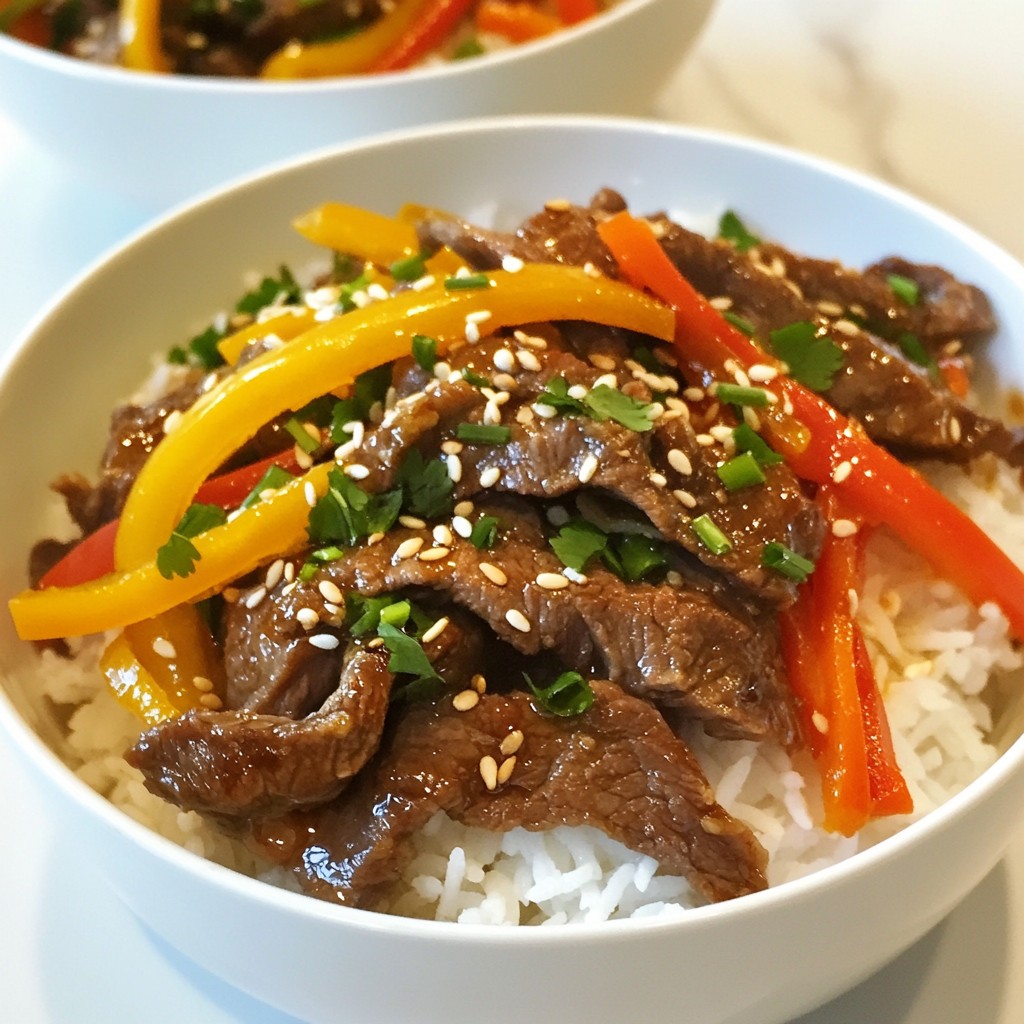
Looking for a tasty and easy meal? You're in the right place! Today, I’ll show you how to make Korean Beef Bulgogi Bowls that are full of flavor and super simple. With just a few key ingredients and a bit of marinating magic, you can impress your friends and family. Get ready to create a dish that's not only delicious but also quick to whip up. Let’s dive in!
Why I Love This Recipe
- Authentic Flavors: This recipe captures the rich and savory flavors of traditional Korean bulgogi, making it a delightful experience for your taste buds.
- Quick and Easy: With a total time of just one hour, this dish comes together quickly, perfect for busy weeknights.
- Customizable Ingredients: You can easily swap in your favorite vegetables or adjust the spice level to suit your preferences.
- Healthy and Satisfying: This bowl is packed with protein, veggies, and served over rice, making it a balanced meal option.
Ingredients
Main Ingredients for Korean Beef Bulgogi Bowls
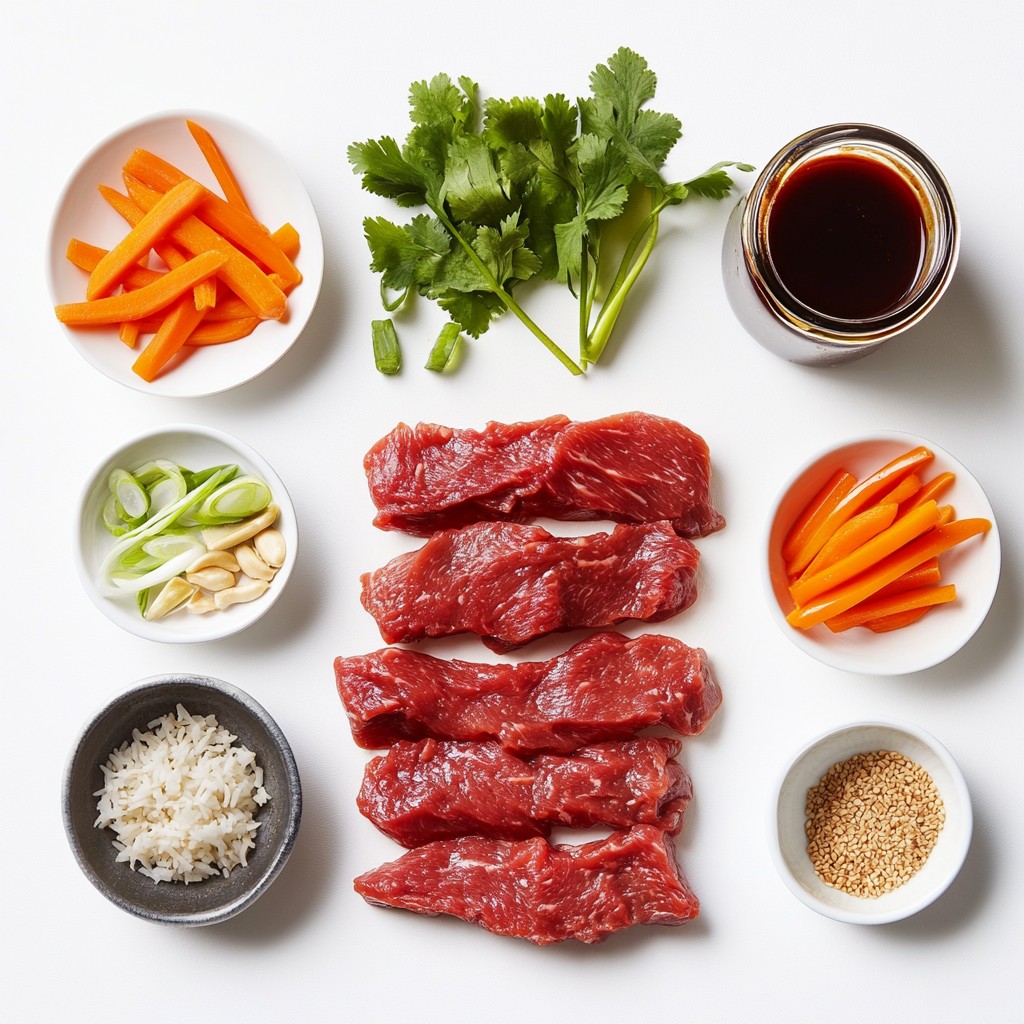
For this tasty dish, you will need:
- 1 lb beef sirloin, thinly sliced
- 1 carrot, julienned
- 1 bell pepper (any color), sliced
- 3 green onions, chopped
- 2 cups cooked jasmine rice
Marinade Ingredients
The marinade gives beef its amazing flavor. Gather these items:
- 1/4 cup soy sauce
- 2 tablespoons brown sugar
- 1 tablespoon sesame oil
- 1 tablespoon minced garlic
- 1 tablespoon minced ginger
- 1 tablespoon gochujang (Korean chili paste)
Suggested Garnishes
Garnishes add a pop of color and taste. Try these:
- Sesame seeds
- Fresh cilantro
Step-by-Step Instructions
Preparing the Marinade
To start, grab a medium bowl. In this bowl, mix together:
- 1/4 cup soy sauce
- 2 tablespoons brown sugar
- 1 tablespoon sesame oil
- 1 tablespoon minced garlic
- 1 tablespoon minced ginger
- 1 tablespoon gochujang
Stir well until the sugar dissolves. This mix will give your beef a sweet and spicy flavor.
Marinating the Beef
Next, take your 1 lb of thinly sliced beef sirloin. Place it in the bowl with the marinade. Make sure every piece is covered. Cover the bowl with plastic wrap. Let it sit in the fridge for at least 30 minutes. If you have time, let it marinate for 2 hours. This will make the beef even tastier.
Cooking the Beef and Vegetables
Now, heat a large skillet or wok over medium-high heat. Add a bit of oil, just enough to coat the bottom. Once hot, add the marinated beef. Cook for about 5-7 minutes, stirring often, until the beef is browned. Then, add:
- 1 carrot, julienned
- 1 bell pepper, sliced
Stir-fry for another 3-4 minutes. The veggies should be tender but still have some crunch. Remove from heat and add 3 chopped green onions, stirring them in.
Assembling Your Bulgogi Bowls
To build your bowls, scoop 2 cups of cooked jasmine rice into each bowl. On top, add the beef and vegetable mixture. For the finishing touch, sprinkle sesame seeds and fresh cilantro over each bowl. This adds color and flavor, making your dish look and taste great. Enjoy!
Tips & Tricks
Best Beef Cuts for Bulgogi
For bulgogi, I recommend using beef sirloin. It is tender and has great flavor. You can also use ribeye or flank steak. These cuts are rich and juicy, perfect for marinades. Cut the beef thinly. Thin slices absorb the marinade well. This step helps the beef cook quickly and stay tender.
Adjusting Spice Levels with Gochujang
Gochujang is a key ingredient in bulgogi. It adds spice and depth to the dish. If you want more heat, add more gochujang. If you prefer less spice, reduce the amount. Taste the marinade before adding the meat. This way, you can find the right balance for your taste.
Cooking Techniques for Tender Beef
To keep the beef tender, cook it over medium-high heat. This method allows the beef to brown quickly. Do not overcrowd the pan. If the pan is too full, the meat will steam instead of sear. Stir-frying helps the beef cook evenly. Cook it just until browned, about 5-7 minutes. This keeps the meat juicy and flavorful.
Pro Tips
- Marinate for Maximum Flavor: Allow the beef to marinate for at least 2 hours, or even overnight, to enhance the flavors and tenderness of the meat.
- Slice Against the Grain: For the most tender beef, always slice the sirloin against the grain. This will help break down the muscle fibers and create a more enjoyable texture.
- Customize Your Veggies: Feel free to add other vegetables like broccoli, snap peas, or mushrooms to the dish. This not only enhances flavor but also adds colorful nutrition.
- Garnish for Presentation: A sprinkle of sesame seeds and fresh cilantro not only adds flavor but also elevates the dish's visual appeal, making it more appetizing.
Variations
Vegetarian or Vegan Bulgogi Options
You can make a tasty vegetarian version of bulgogi. Use tofu or mushrooms instead of beef. Tofu absorbs flavors well, and mushrooms give a nice, meaty texture. Marinate them just like you would beef. Follow the same steps for cooking, and you will have a great dish!
Alternative Vegetables to Use
Feel free to mix in other veggies! Zucchini, snap peas, or broccoli work well. Each vegetable adds its own flavor and texture. Just remember to cut them into similar sizes for even cooking. This way, you enjoy a colorful and crunchy meal.
Serving Suggestions for Special Diets
For gluten-free diets, use tamari instead of soy sauce. Serve the bulgogi over quinoa or cauliflower rice for a low-carb option. Add avocado or kimchi on the side for extra flavor. These changes make the dish fit for everyone at your table!
Storage Info
Storing Leftovers Properly
To keep your Korean beef bulgogi fresh, store leftovers in airtight containers. Make sure to cool the dish before sealing it. You can keep it in the fridge for about three days. For best taste, use it within this time frame. If you have leftover rice, store it separately. This helps keep everything fresh.
Reheating Tips for Best Flavor
When reheating, do it slowly. You can use a microwave or a skillet. If using a microwave, cover the bowl with a lid or plastic wrap. Heat in short bursts, stirring in between. If using a skillet, add a little water to keep it moist. Heat over medium-low heat until warm. This way, you retain the flavors.
Freezing Bulgogi Components
You can freeze bulgogi for later use. Place the cooled beef and veggies in freezer-safe bags. Remove as much air as possible before sealing. This helps prevent freezer burn. You can freeze the beef for up to three months. Just remember to thaw it in the fridge before cooking. This keeps it juicy and tasty.
FAQs
What is Bulgogi?
Bulgogi is a Korean dish made with marinated beef. The name means "fire meat." You usually use thin slices of beef sirloin. The beef soaks in a mix of soy sauce, sugar, and spices. This gives it a sweet and savory flavor. When cooked, it becomes tender and juicy. Bulgogi can be served in many ways, often with rice and veggies.
Can I use another type of meat?
Yes, you can use other meats for bulgogi. Pork, chicken, or tofu work well too. Just slice them thin like beef. The marinade will still give great flavor. Keep in mind that cooking times may change. For chicken, cook until fully done, about 7-10 minutes.
How do I make Bulgogi spicier?
To add spice, increase the gochujang in the marinade. Start with an extra teaspoon. You can also add red pepper flakes for more heat. If you like fresh spice, add sliced fresh chili peppers when cooking. Adjust the heat to your taste.
What can I serve with Korean Beef Bulgogi Bowls?
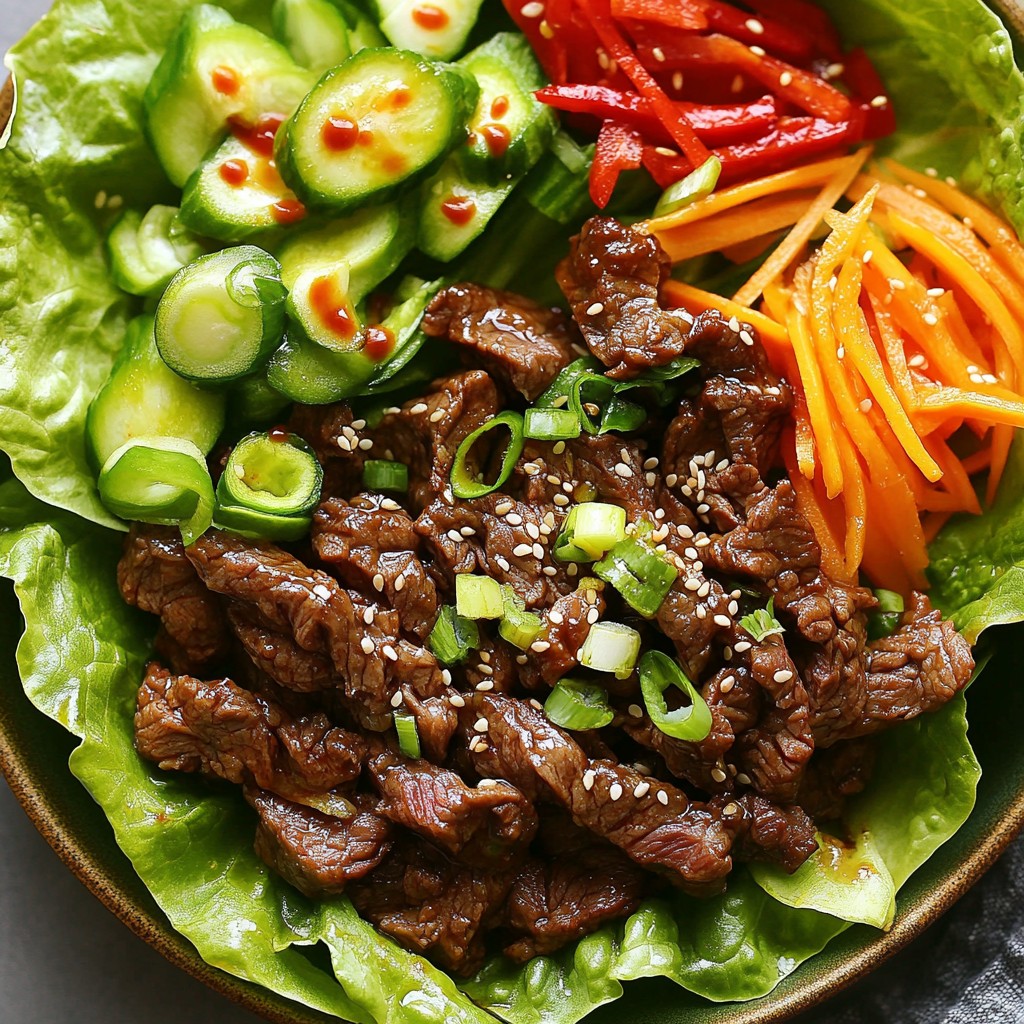
Korean Beef Bulgogi Bowls are great on their own. You can serve them with sides like kimchi or pickled vegetables. A simple cucumber salad adds a nice crunch. You can also add extra rice or lettuce wraps for a fun twist.
You learned about the key ingredients and steps for making Korean beef bulgogi bowls. We covered tips for cooking and common questions. Remember, you can adjust flavors and make this dish your own. You can even try vegetarian options. Enjoy experimenting in the kitchen, and don't forget about storing leftovers for another meal. With these skills, you can create a delicious bulgogi bowl anytime. Happy cooking!